

Floor Tiles
Floor Tiles
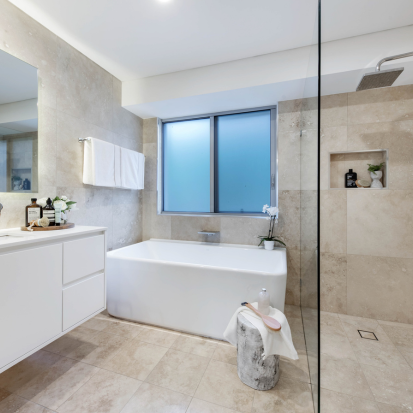
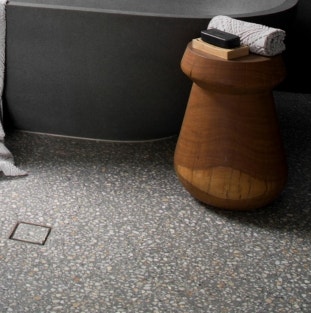
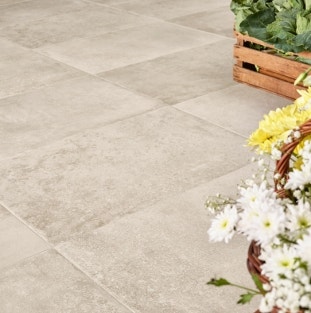
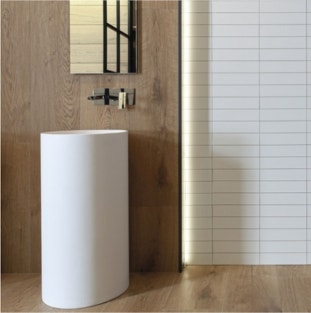
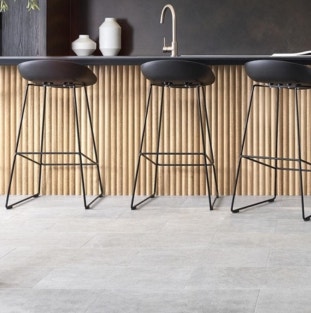
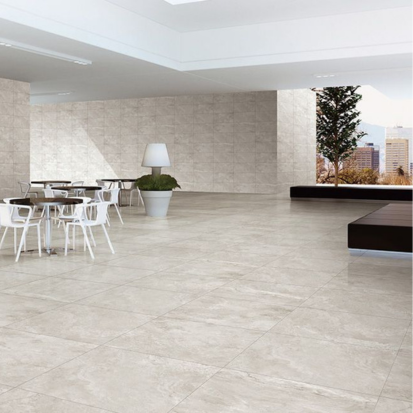
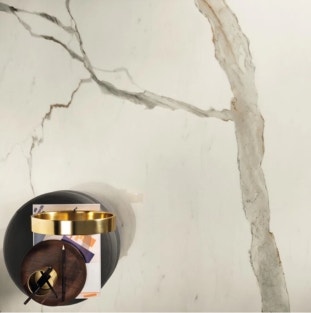
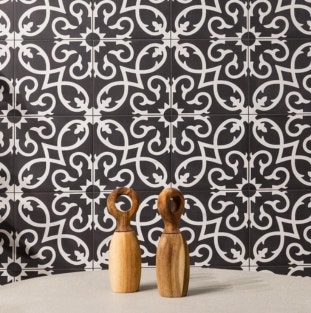
- CLEARANCE
- CLEARANCE
- CLEARANCE


- CLEARANCE


- CLEARANCE


-


- SALE

 4% discount
 - SALE

 33% discount
 -


- SALE

 4% discount
 -


- SALE

 30% discount

Amber has the answer - Floor Tiles
Floor Tiles
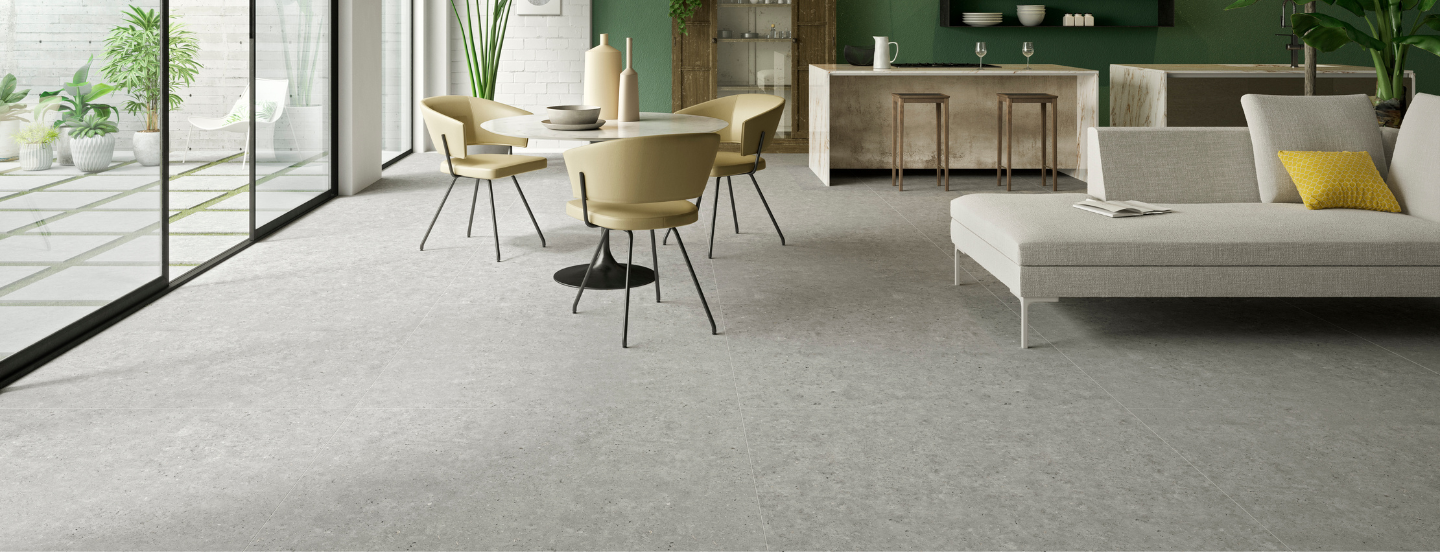
Amber, Australia’s #1 tile retailer, has been delivering quality tiles, expert advice and personalised solutions to renovation projects since 1973. Shop our huge range of floor tiles in-store or online.
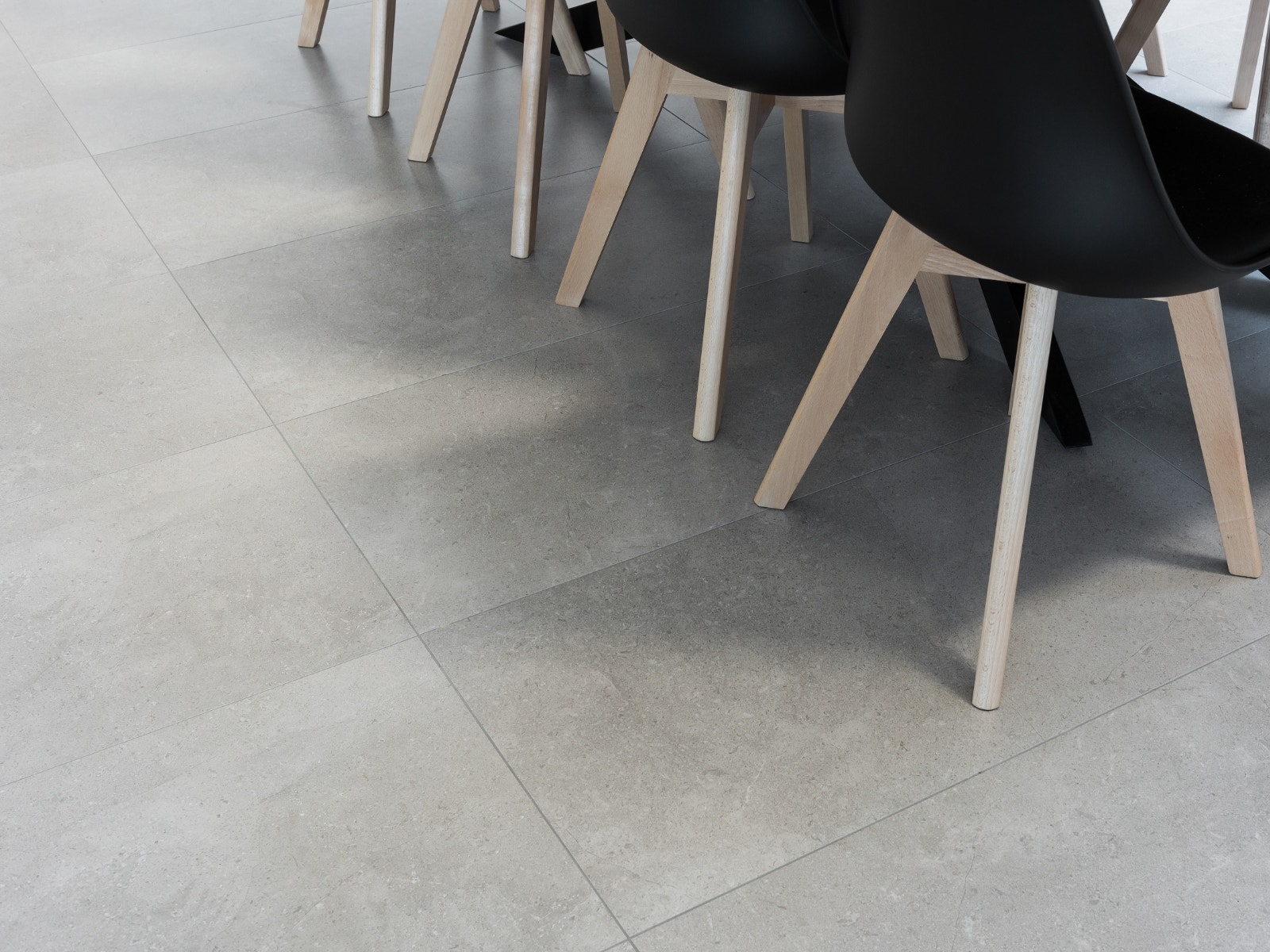
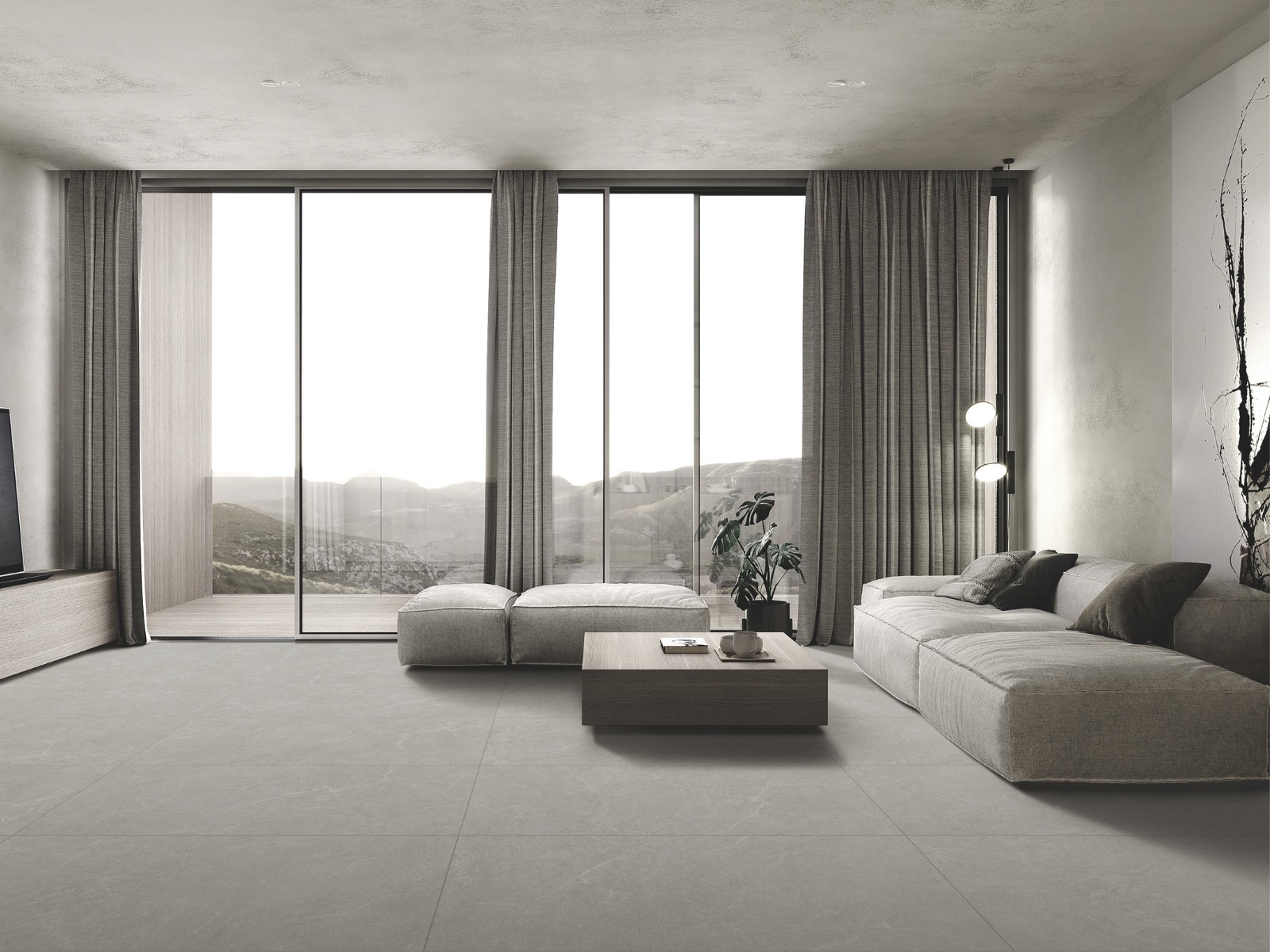
Our floor tiles do more than just shape the look and function of your space; they also impact how long it lasts and how easy it is to maintain. The right tiles can transform your space into a personal haven, balancing beauty with durability.
When you shop with Amber, you can rest assured that you can find tiles that provide a luxury look that is long-lasting and easy to maintain. Ready to bring your dream designs to life? Shop now with Amber's extensive collection of indoor and outdoor tiling that will turn your dreams into reality.
At Amber, we pride ourselves on offering an unparalleled selection of floor tiles to suit every taste and requirement. Our range includes:
- Timber Look Floor Tiles: Combine the warmth of wood with tile durability
- Cement Look Floor Tiles: Modern industrial chic for contemporary spaces
- Natural Stone Look Floor Tiles: Timeless elegance without high maintenance
- Marble Look Floor Tiles: Luxurious appeal without the hefty price tag
- Travertine Look Floor Tiles: Classic Mediterranean charm for any room
- Porcelain Floor Tiles: Versatile and hard-wearing for high-traffic areas
- Polished Floor Tiles: Add a touch of glamour to your interiors
Featured Floor Tiles


Expert Guidance for Your Tiling Project
We offer more than just an extensive product range, our team of tile experts is ready to assist you in selecting the ideal floor tiles for your project, ensuring you achieve the perfect balance of style, functionality, and durability.
Floor Tile FAQs
How do you remove floor tiles?
Removing old floor tiles can seem quite daunting. However, this guidance is designed to make the process easier. To remove old floor tiles, follow these steps:
1. Wear adequate personal protective equipment, such as a dust mask and eye protection.
2. Take a hammer, and tap at a tile until it breaks, thereby creating a gap for insertion of a chisel.
3. Begin lifting the remaining tiles using a hammer and chisel.
4. Once the tiles have been removed, consult the existing sub-flooring.
5. If it is smooth enough, it may be possible to lay tiles directly without further remedial work.
6. If it is uneven, you may have to concrete the area until it is sufficiently level.
What are lappato finish tiles?
Lappato tiles are semi-honed or polished. These tiles are typically polished with fewer polishing wheels, and with fewer polishing iterations than fully-polished tiles. Lappato tiles are usually made of porcelain and are available either glazed or unglazed. The end result is a soft matte finish with sheen areas that can play gently and creatively with light. These tiles are typically nowhere near as slippery as gloss or glazed tiles and are generally seen as more suitable for wet indoor areas such as the bathroom floor. They can also be used to have an interesting effect on walls.
How to clean floor tiles?
One of the easiest ways to clean floor tiles is to fill a bucket with hot water, before adding a half-cup of vinegar and a tablespoon of standard dish soap to the mixture. It is important not to add too much soap, as an excess of soapy residue could have the negative effect of making your tiled floors look dull.
Prior to mopping your floor tiles, you should rinse the mop-head under hot running water. This will help to remove any debris still clinging to the mop from the last time it was used. Once it is sufficiently clean, you should use it to mop your tiled floor with your hot water, vinegar and soap mixture.
Are all floor tiles slippery?
The non-porous nature of tiles often leads people to assume that all tiles are slippery underfoot. This is in fact misleading, as there are lots of different types of tile which are designed to not be slippery. Terracotta tiles, quarry tiles and brick tiles are largely slip-resistant, and therefore suitable for bathrooms and other wet areas. Conversely, slippier tiles are smoother and may feature a large amount of glaze. If you want to avoid trips and slips, choose rougher, non-glazed tiles.
Do floor tiles need sealing?
Not all floor tiles need to be sealed. Sealing is however recommended to strengthen the defences of both the tile and the grout against things like spills, erosion, and dirt. If you are using porcelain or ceramic seals, it is likely that they will not need to be sealed. As always, there are exceptions to the rule, so if you are unsure please don’t hesitate to ask us. A member of our friendly team will be happy to answer any tile-related queries you may have.
Can you lay new flooring on top of old floor tiles?
Put simply: yes, it is possible to lay a new tiled floor on top of your existing one - provided it is levelled correctly. However, if the tiles are in any way uneven, you might encounter issues when installing your new floor. While opinions differ, it makes sense to remove previous floor tiles prior to laying new ones, even if it feels more practical to simply install a new floor on top.
What is the difference between modern and traditional floor tiles?
There are some key differences in colour, arrangement, symmetry and aesthetic when it comes to modern and traditional tiles. In traditionally decorated homes, colours tend to work in harmony with one another to create an inviting and warm feel. Traditional floor tiles generally tend to be available in earthy shades, such as greys, creams and neutral reds/browns.
Traditional tiles also tend to create a sense of harmony and balance - symmetrical designs and repeating patterns are mainstays here. On the contrary, modern tiles actually benefit from asymmetry as an intentional characteristic, with focal-point mosaic tiles which might be off-centre in the room. Modern tiles are often in cooler, brighter shades like whites and greys, with less intricate patterning than their traditional counterparts.
What are the common materials used in floor tiles?
Porcelain tiles are by far the most popular type of tile in Australia. These tiles are available as glazed or unglazed, and are manufactured from clay which is subsequently heated. The glaze is added after firing to allow for more interesting colour combinations.
However, there are lots of different types of tiles available, including porcelain tiles. These are kiln-dried at higher temperatures than ceramic tiles, which helps to vitrify them and make them more suitable for bathrooms. Other tile materials include:
What colours are floor tiles available in?
Floor tiles are available in virtually any colour or shade. When floor tiles are being manufactured, a coloured glaze can be applied after the tile has been in the kiln. This allows tile manufacturers to produce tiles in practically any style.
Questions about floor tiles?
If you’ve got a question about floor tiles you would like us to provide an answer to, please feel free to contact us. A member of our team will be happy to provide you with an in-depth answer to our query. To get in touch, simply use the contact form below.
Questions about floor tiles?
Choose Amber for high-quality, visually stunning floor tiles. With various styles and finishes available, Amber will help you create a personalised indoor or outdoor space that showcases your unique taste while offering lasting value.
Our team is dedicated to providing expert guidance and personalised solutions just for you. Don't miss the opportunity to transform your area into a stunning and functional space.
Explore our comprehensive tile selection and book a consultation with our experienced team today.
For any additional questions, please send us a message or call us today.